Practice
Do no evil, cultivate good, and purify the mind. This is the teaching of all Buddhas.
— Dhammapada, Verse 183
Our Tradition
Our temple is a Vietnamese Buddhist temple in the Mahayana tradition. Vietnamese Buddhism traditionally integrates both Pure Land and Zen practices. Our Vietnamese services follow traditional Pure Land practice, including chanting, recitation of sutras, and Dharma teachings. Our English-language meditation group practices in the Plum Village tradition established by Zen Master Thích Nhất Hạnh.

Vietnamese Services
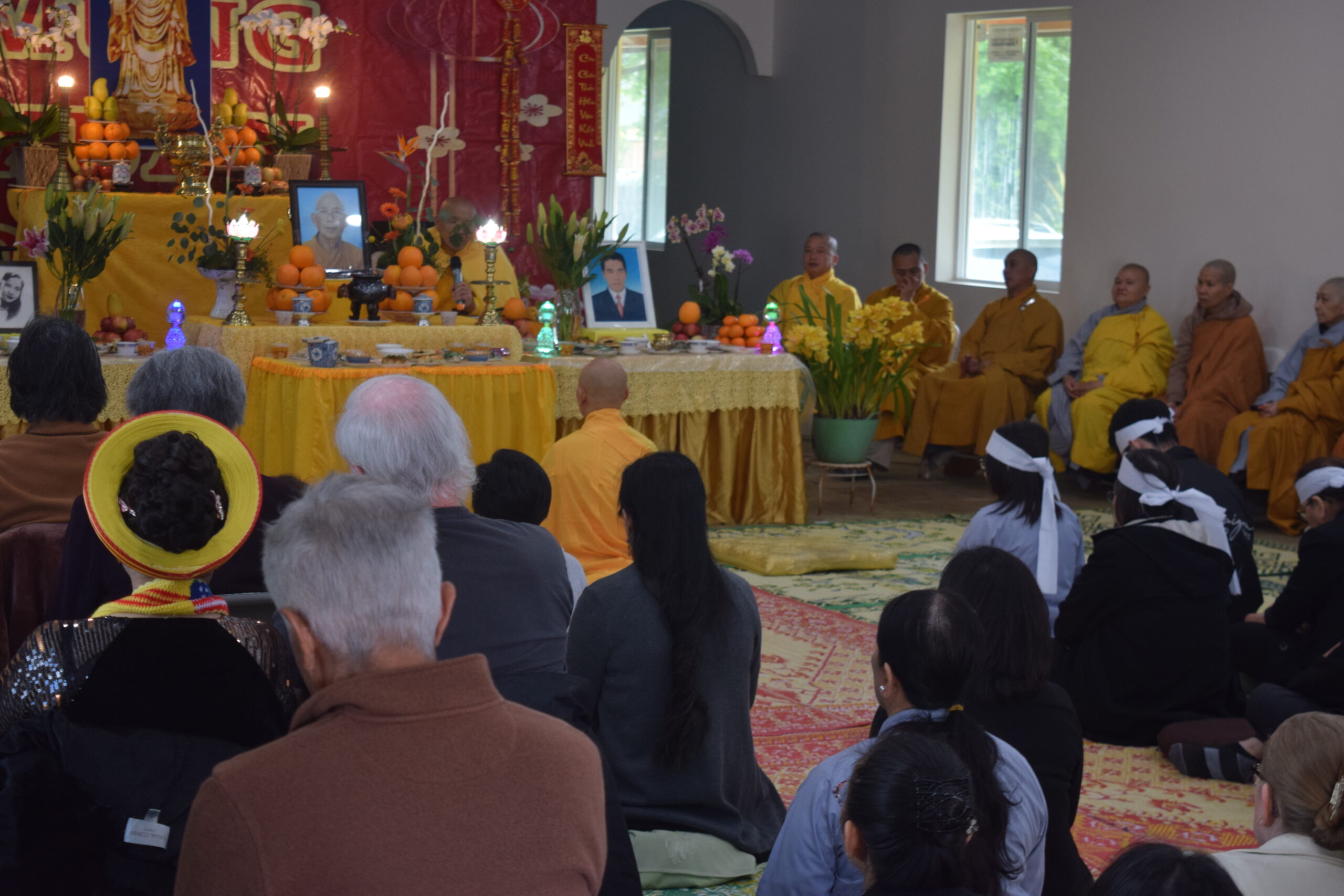
Traditional Vietnamese services are conducted primarily in Vietnamese and include chanting, sutra recitation, devotional practices, and Dharma teachings. Through these practices, we cultivate compassion, wisdom, and a deeper understanding of the Buddha's teachings while practicing together as a sangha.
English Meditation Group
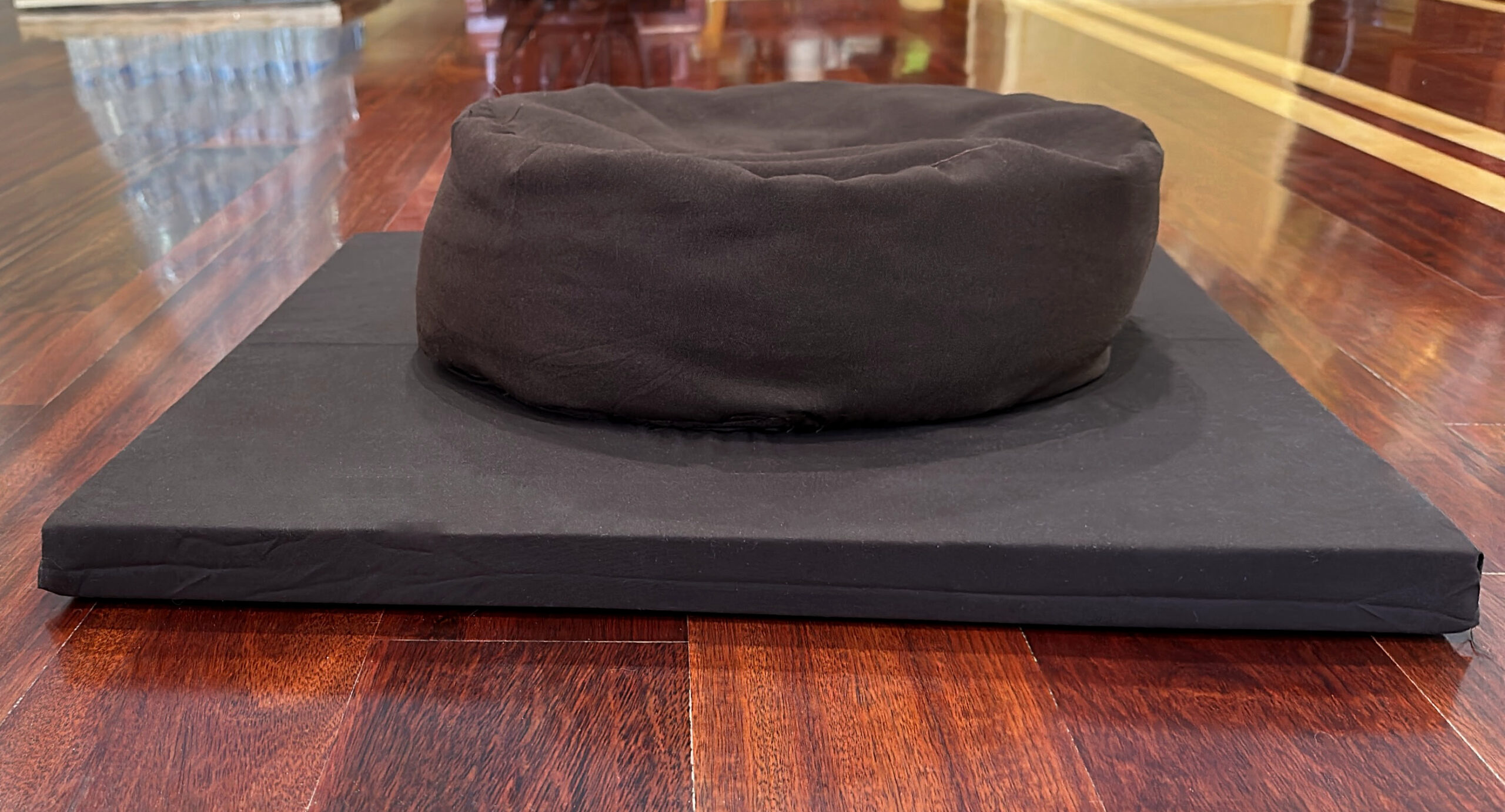
The English meditation group practices in the Plum Village tradition established by Zen Master Thích Nhất Hạnh. Our gatherings include sitting meditation, walking meditation, and Dharma sharing. Together, we cultivate awareness, understanding, and compassion in daily life while supporting one another on the path of practice.

Ceremonies and Rituals
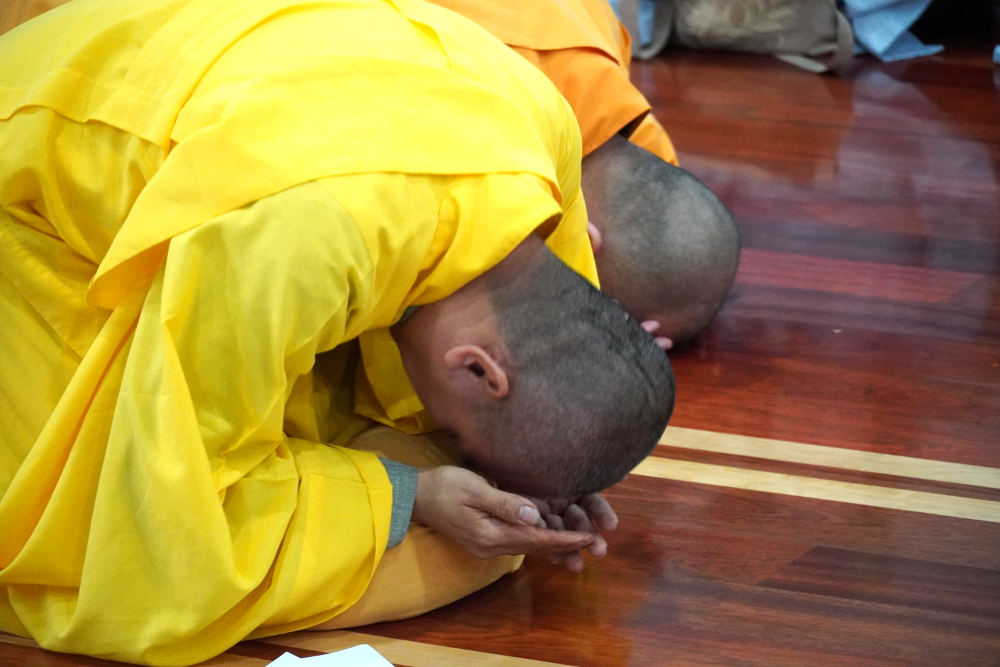
Ceremonies and rituals are an important part of the Vietnamese Buddhist tradition. Throughout the year, the temple observes regular repentance services (Sám Hối), precept observance days, and memorial and 49-day ceremonies for the deceased. These ceremonies help preserve our traditions and offer meaningful opportunities for reflection, gratitude, and collective practice.
Retreats
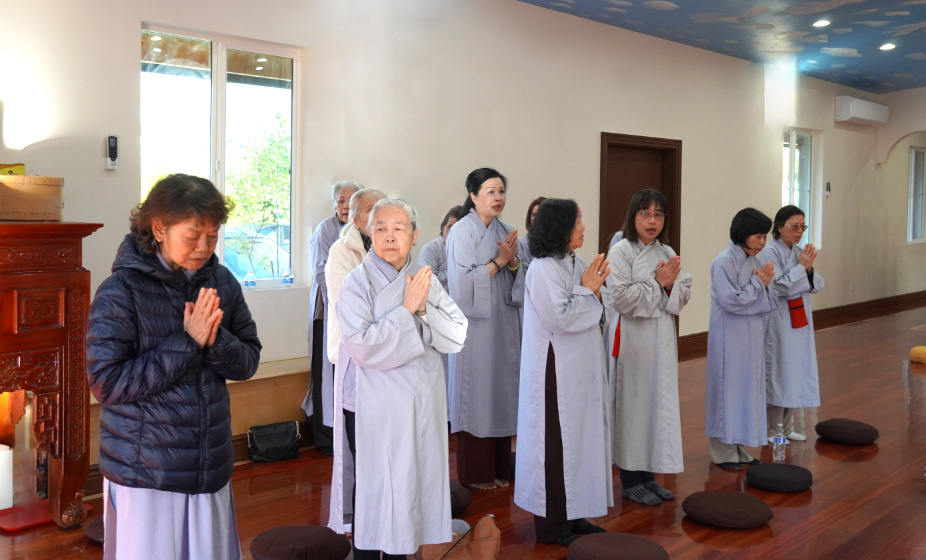
Retreats provide an opportunity to deepen our practice and cultivate mindfulness in a supportive environment. Through chanting, sitting and walking meditation, mindful meals, and Dharma teachings, we come together as a sangha to deepen our practice. The temple regularly offers one-day retreats during which practitioners observe the Eight Precepts, as well as occasional weekend retreats.
Events and Observances
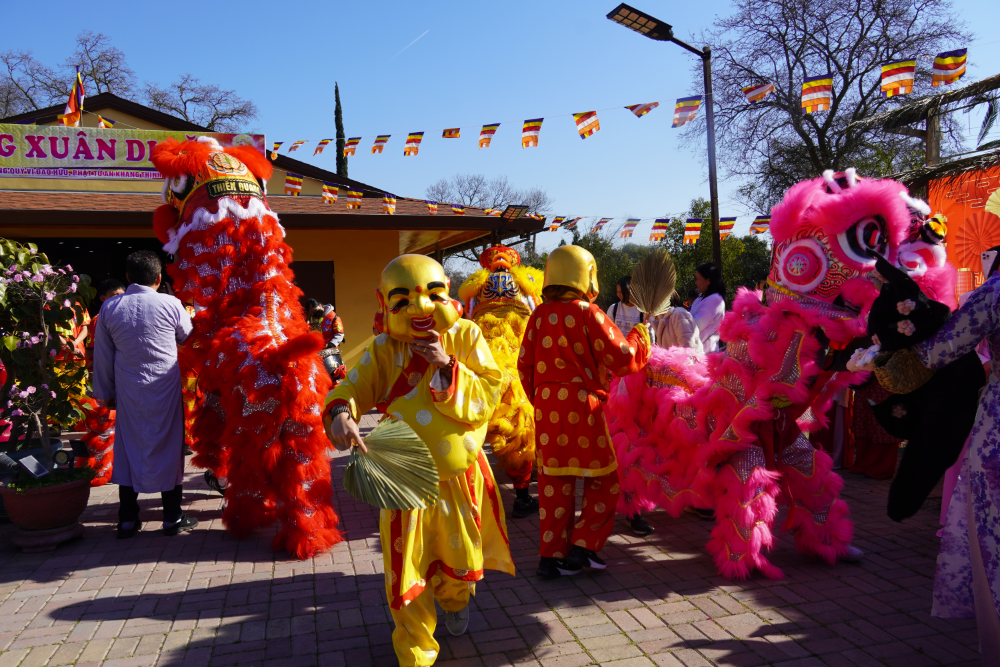
Throughout the year, the temple observes important Buddhist and Vietnamese cultural events, including Vesak, Parents Day (Vu Lan), and Lunar New Year (Tết). The temple also organizes bus trips to visit other temples for the Lunar New Year. These gatherings bring the sangha together in a spirit of gratitude, remembrance, and joy.
Volunteering
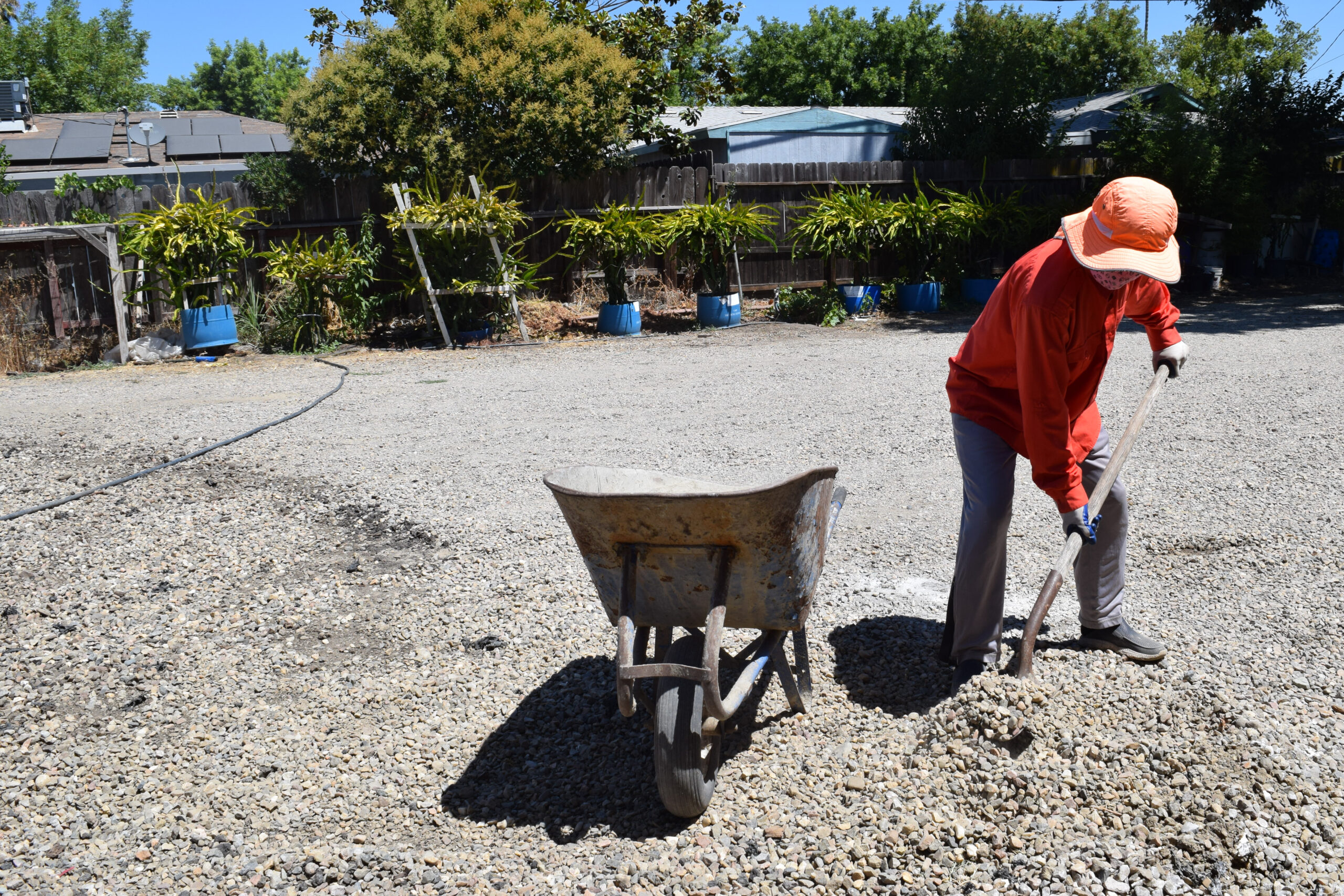
Volunteering is an expression of generosity and compassion. Lay practitioners support the temple through event preparation, temple maintenance, gardening, kitchen work, and many other acts of service. We also serve the wider community through charitable activities and outreach to those in need.
Visiting for the First Time?
The following questions and answers provide practical information for first-time visitors.
Do I need to be Buddhist to visit?
No. People of all backgrounds are welcome to visit the temple and participate in our activities. Whether you are Buddhist, exploring Buddhism, or simply curious, you are more than welcome to join us.
Do I need prior meditation experience?
No. We are a diverse group of people. Some of us have practiced meditation for many years, while others have only recently started. If you are new to meditation, members of the group will be happy to help you get started.
Are services held in Vietnamese or English?
Our regular services are in Vietnamese, while the English meditation group meets in English. English speakers are also welcome to attend Vietnamese services and practice through listening to the chanting.
What should I wear?
Visitors are encouraged to wear modest and respectful clothing suitable for a place of worship. As a sign of respect, please avoid sleeveless tops, short skirts, shorts, and clothing with offensive images or language.
Do I need a lay robe?
No. Lay robes are not required to attend services, meditation sessions, or other temple activities. Many practitioners choose to wear a lay robe during services as a sign of respect and devotion, but ordinary modest clothing is also acceptable.
Do I remove my shoes before entering?
Yes. Shoes should be removed before entering the Dharma Hall. Visitors may enter barefoot or keep their socks on while inside. Please make sure to place your shoes neatly and avoid blocking the doorway.
Is there a cost to attend?
No. There is no fee to attend services, meditation sessions, or other temple activities. The temple is sustained through the generosity of the community, and voluntary donations help support its ongoing activities and maintenance.
How do I greet monks and nuns?
Monks and nuns are traditionally greeted with a slight bow and palms joined together in front of the chest, with the hands shaped like a lotus bud. The bow is a Buddhist gesture of respect that recognizes the Buddha nature in ourselves and others.
How do I address a Vietnamese monk or nun?
Vietnamese monks are commonly addressed as "Thầy," which means "teacher." Vietnamese nuns are commonly addressed as "Sư Cô." These are respectful and friendly forms of address that reflect the role of monastics as spiritual teachers and guides in the Buddhist tradition.
What should I expect during my first visit?
You will always find a friendly and welcoming community at the temple. We are happy to answer questions and help you become familiar with our traditions and practices. There is no need to worry about doing everything correctly.
When is the temple open?
Visitors are welcome during scheduled services, meditations, ceremonies, and other temple activities. Outside of these times, please contact us in advance to ensure that someone is present.
Where can I park?
Parking is available in the rear. Enter through the driveway and continue to the left of the garage. During major events, you can also park in the surrounding neighborhood; please do not block driveways. Parking along the main street in front of the temple is not permitted.